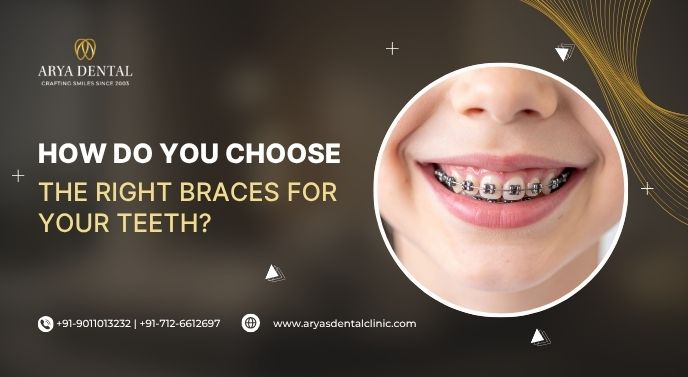
I often notice something interesting when people talk about doctors or dentists. Conversations usually go something like this.
Scenario 1
Person 1: Hey… I think I need braces. Do you know any dentist?
Person 2: Yes… but what exactly is the problem? Crooked teeth? Why don’t you try clear aligners? My cousin used them and they worked well.
Person 1: I have heard about those… but I am not sure if they will work for me.
Person 2: Then there is this orthodontist near my office. He is quite good.
Person 1: Yes… I have heard of him too… but the clinic is too far from my home.
Scenario 2
Person 1: Hey… I think I need braces. Do you know any dentist?
Person 2: Yes… there is one near the market.
Person 1: Is the treatment good there?
Person 2: I think so… but someone said the braces treatment there is expensive.
It is interesting how people choose dental treatments, often based on convenience, cost, or recommendations.
Recommendations are helpful, and cost matters too. But choosing braces only because a clinic is close to home may not always be the best idea.
Braces treatment takes time, and the right braces and the right dentist both play an important role in achieving a healthy, confident smile.
Why Choosing the Right Braces Matters?
Braces are not only about straightening teeth for appearance. They also improve the way your mouth functions every day.
When teeth are misaligned, several small problems may occur:
- Difficulty chewing food properly
- Teeth wearing down unevenly
- Food getting stuck between teeth
- Jaw strain or discomfort
- Difficulty cleaning certain areas
Braces gradually move teeth into better positions. When this happens, chewing becomes easier and cleaning becomes more effective.
But here is the important part.
Different people need different types of braces.
Some treatments work better for severe alignment problems. Others are designed for people who prefer something less noticeable.
This is why choosing the right braces requires understanding the available options first.
Types of Braces Available Today
Orthodontic treatment has improved a lot over the years. Modern braces are smaller, more comfortable, and designed to suit different lifestyles.
Let’s look at the common types of braces used today.
Metal Braces
Metal braces are the traditional braces most people recognize.
They consist of small metal brackets attached to the teeth and connected by a thin wire. The wire gently moves the teeth into proper alignment over time.
In the past, metal braces were bulky and uncomfortable. Modern versions are smaller and smoother, making them more comfortable to wear.
Advantages
- Highly effective for complex alignment problems
- Strong and durable
- Usually the most affordable option
Things to consider
- They are visible when you smile
- Cleaning around brackets requires extra care
Metal braces remain one of the most reliable orthodontic treatments.
Ceramic Braces
Ceramic braces work the same way as metal braces but are designed to be less noticeable.
The brackets are made from tooth-coloured ceramic material, which blends better with natural teeth.
Because of this, ceramic braces are often chosen by adults or teenagers who want a more subtle appearance.
Advantages
- Less visible than metal braces
- Effective for many alignment issues
Things to consider
- Slightly more expensive than metal braces
- Can stain if oral hygiene is not maintained properly
Ceramic braces offer a balance between effectiveness and appearance.
Clear Aligners
Clear aligners are removable transparent trays that gradually move teeth into position.
Each aligner is worn for a specific period before switching to the next one.
Because they are removable, they allow easier brushing and eating.
Advantages
- Nearly invisible
- Removable while eating or brushing
- Comfortable and smooth
Things to consider
- Must be worn for around 20–22 hours daily
- Requires discipline and consistency
Clear aligners are suitable for many mild to moderate alignment issues.
Different Types of Braces
|
Type of Braces |
Visibility |
Comfort |
Cost Range |
Best For |
|
Metal Braces |
Visible |
Moderate |
Lower |
Complex alignment problems |
|
Ceramic Braces |
Less visible |
Moderate |
Medium |
People concerned about appearance |
|
Clear Aligners |
Nearly invisible |
Comfortable |
Higher |
Mild to moderate corrections |
How to Choose the Right Braces for Your Teeth?
Choosing braces is not only about appearance. Several factors should be considered before deciding.
1. Severity of the Dental Problem
Some alignment problems are simple, while others are more complex.
Metal braces are often recommended for severe alignment issues, while clear aligners may work well for mild corrections.
2. Appearance Preferences
Some people feel comfortable with visible braces, while others prefer something less noticeable.
Ceramic braces, lingual braces, and aligners are often chosen for aesthetic reasons.
3. Budget Planning
Braces treatment costs vary depending on the type of braces used.
Metal braces usually remain the most affordable option. More customized treatments may cost more.
Understanding the treatment plan and material used helps explain the cost differences.
4. Oral Hygiene Discipline
Braces require careful brushing and flossing.
If cleaning around brackets feels difficult, aligners may be easier to maintain.
5. Commitment to Treatment
Clear aligners must be worn most of the day to work effectively. If they are removed frequently, treatment progress may slow down.
Choosing braces that suit your daily routine helps ensure successful treatment.
Why The Dentist You Choose Matters?
Selecting braces is only one part of the journey.
The experience and approach of the dentist also play an important role.
At Arya's Dental Clinic, we believe that orthodontic treatment should always begin with understanding your needs first.
A proper consultation usually includes:
- Examination of teeth and bite alignment
- X-rays or digital scans
- Discussion about treatment options
- Clear explanation of expected results
Instead of suggesting a single option for everyone, a good dentist evaluates what works best for your teeth.
A thoughtful treatment plan helps create a comfortable and predictable braces journey.
Your Smile Deserves Careful Decisions
Choosing braces is not only about straightening teeth. It is about improving how your smile looks and how your mouth functions every day.
A little research, the right guidance, and a clear understanding of your options can make the process much easier.
At Arya's Dental Clinic, we take time to explain different braces options and help you choose what suits your teeth and lifestyle best.
FAQs
1. Are clear aligners better than braces?
Clear aligners are convenient and less visible, but they may not be suitable for all dental conditions. A dentist can recommend the most appropriate option after evaluation.
2. Do braces hurt?
You may feel mild pressure for a few days after adjustments, but this usually settles quickly as the teeth begin to move.
3. How long does braces treatment usually take?
Most orthodontic treatments take between 12 and 24 months, depending on the complexity of the case.